
CARBROOK CENTRE PROGRAMS
The programs at Carbrook Centre are conceptualised in three areas: student wellbeing, education program and animal assisted learning. We are a trauma informed school and understand that students need to feel a sense of safety and belonging before they can learn and grow.
-
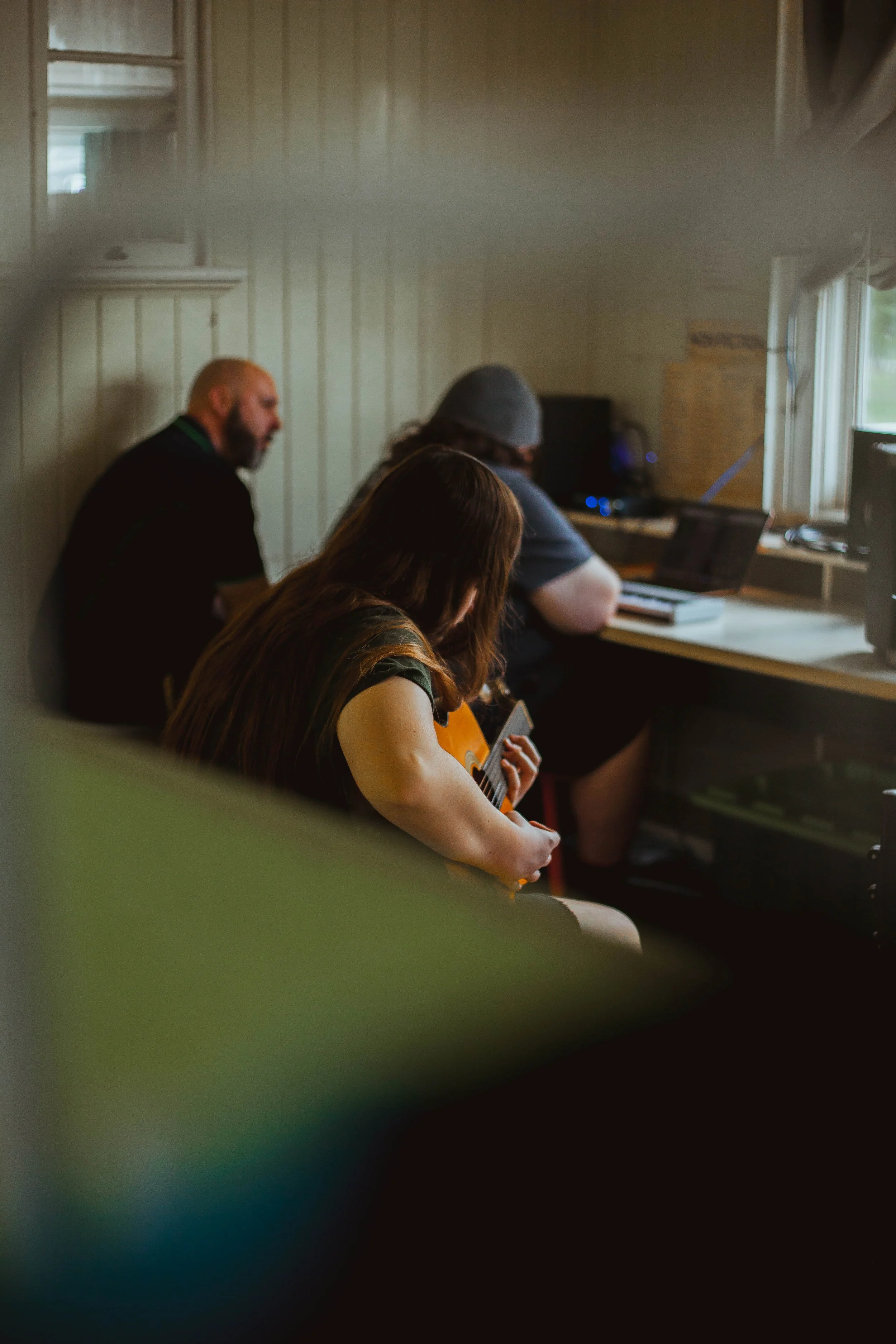
At Carbrook Centre, student wellbeing is central to everything we do. We take a holistic, trauma-informed approach that recognises each student’s individual needs and the importance of feeling safe, known and supported at school. Through consistent relationships, daily check-ins, shared meals, restorative practices and opportunities for co-regulation, students are supported to build confidence, strengthen relationships and develop practical skills for everyday life. We work closely with families, carers and other professionals to provide coordinated support and create an environment where students can experience belonging, engage in learning and continue to grow.
-
Many students come to Carbrook Centre following extended periods of disengagement from school, which can impact confidence and participation in learning. We therefore prioritise a safe, supportive and individualised learning environment that helps students reconnect with education at a pace that meets their needs. Our education program provides targeted support in literacy and numeracy while also developing practical, work-ready and life skills. Through relevant learning experiences, individual support and opportunities to explore future pathways, we aim to equip students with the confidence, skills and knowledge they need for employment, further study and life beyond school.
-
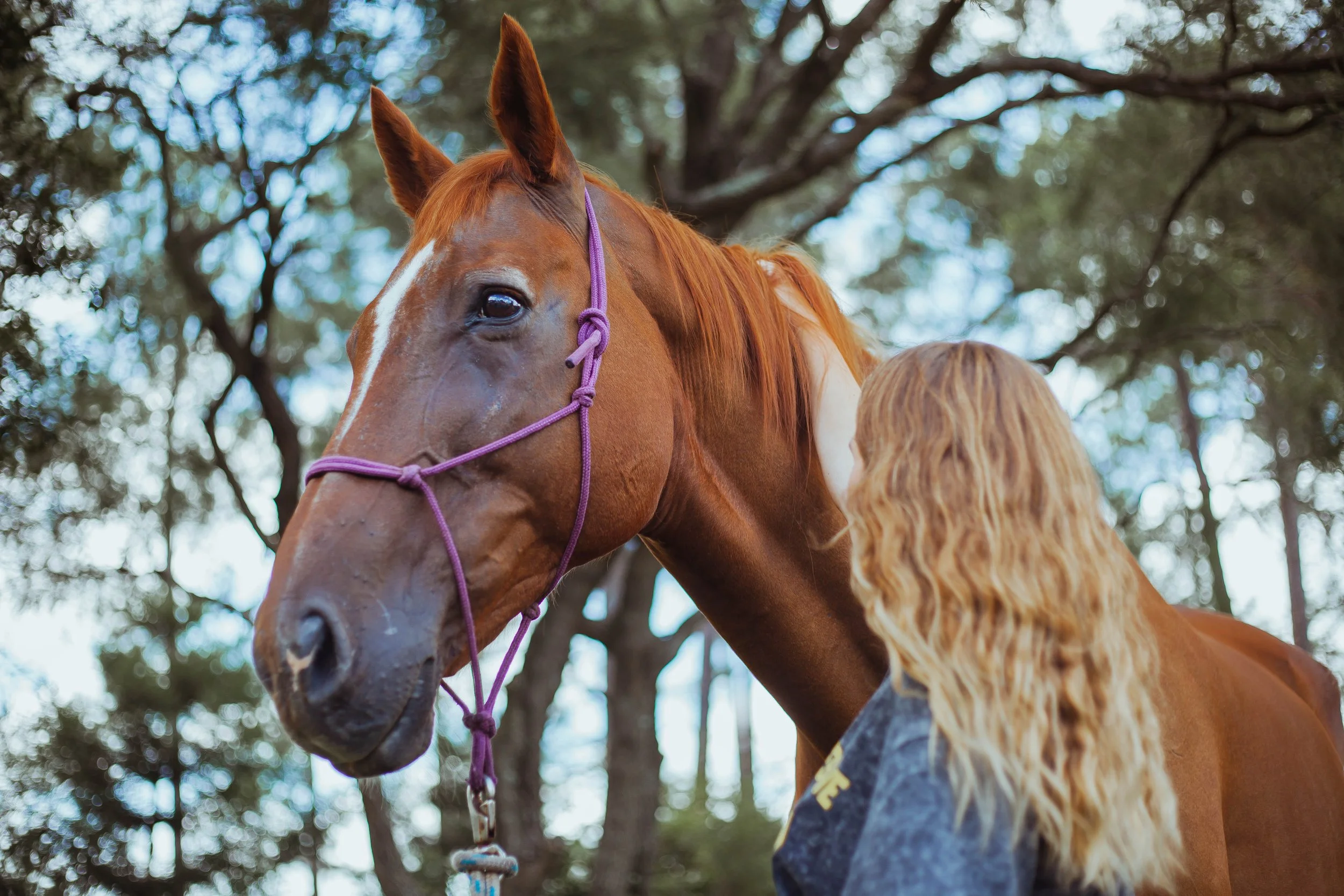
Animal Assisted Learning is an important part of the Carbrook Centre experience, offering students safe and structured opportunities to learn alongside animals. Our program uses a non-therapy-based approach to support both educational and wellbeing outcomes, guided by teachers, counsellors and animal experts. Students interact with animals including horses, dogs, chickens, a pig and a miniature pony, developing skills in communication, responsibility, confidence and care. Horses play a significant role through horsemanship, ground skills and equestrian vaulting, providing engaging experiences that encourage students to build trust, develop self-awareness and practise positive ways of relating to others.
-
Our Junior Program for Years 7 to 10 provides an individualised and engaging approach to learning, with a strong focus on developing functional literacy and numeracy skills. Students also take part in project-based inquiry that connects learning to practical, meaningful experiences and encourages curiosity, problem-solving and participation. Integrated units draw together learning from multiple Australian Curriculum areas, allowing students to explore topics in a more connected and accessible way. Through targeted support, flexible learning and relevant projects, the Junior Program aims to rebuild confidence in education while helping students develop the foundational skills they need for senior schooling and future pathways.
-
Our Senior Program for Years 11 and 12 is designed around each student’s learning needs, strengths and goals for life beyond school. Students may undertake Short Courses, Applied Subjects or vocational education and training (VET) courses in line with their Senior Education and Training (SET) Plan. Individualised planning helps students work towards meaningful qualifications while developing the practical skills, confidence and experience needed for future pathways. Depending on their program, students may work towards the Queensland Certificate of Education (QCE) or Queensland Certificate of Individual Achievement (QCIA), with support to prepare for employment, further training, study and greater independence after school.
Animal Assisted Learning
Animal Assisted Learning provides students with safe and structured opportunities to learn alongside animals. At Carbrook Centre, these experiences are designed to support specific educational and wellbeing outcomes as part of our broader trauma-informed approach. Our program is non-therapy based and is developed with the support of animal experts, qualified teachers and counsellors. Students interact with a variety of animals, including horses, chickens, a pig, miniature pony and our resident dogs. Through these experiences, students learn about animal behaviour, responsible care, communication and trust while developing practical skills that can support their learning and personal growth.
Learning with Horses
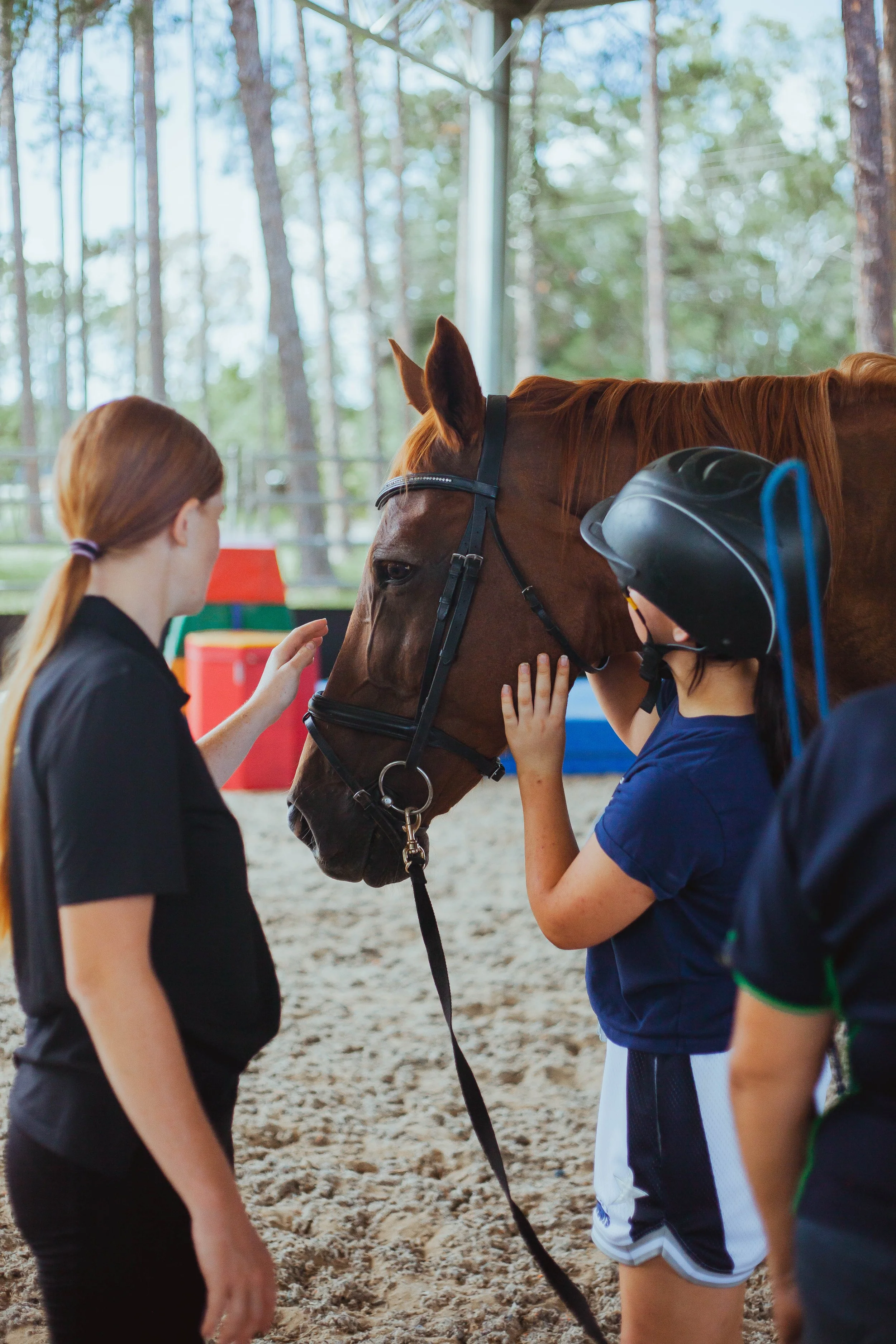
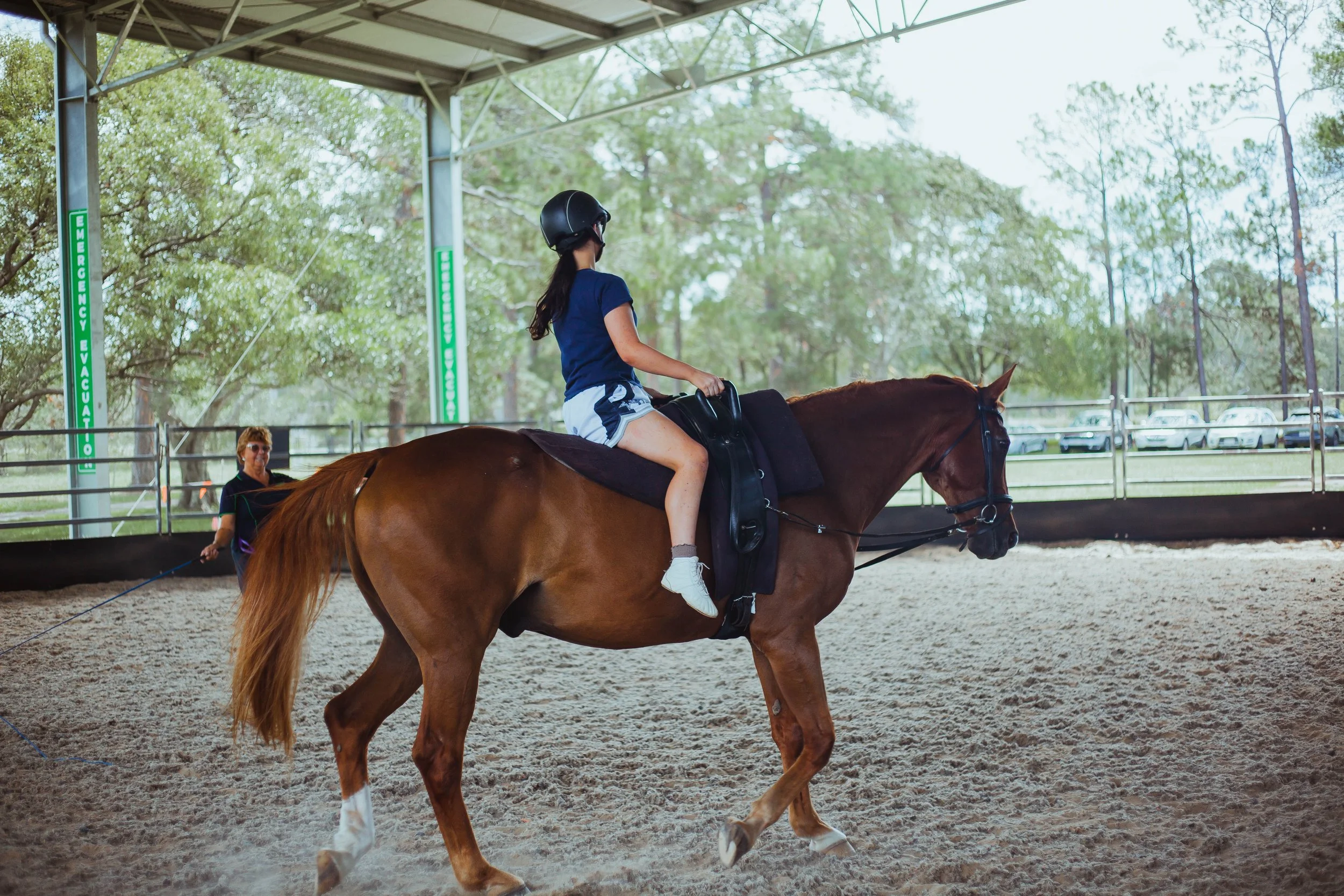
Working with horses provides unique opportunities for students to develop confidence, communication and self-awareness. Horses respond closely to body language, consistency and the way people interact with them, giving students immediate and practical feedback. Through horsemanship activities, students learn to communicate clearly, establish appropriate boundaries, build trust and approach challenges with patience and confidence. Caring for horses also involves responsibility and hard work, from preparing equipment to completing everyday animal care tasks. These experiences provide meaningful opportunities for students to practise persistence, teamwork and positive relationship skills while engaging in learning that is practical, active and enjoyable.
Ground Skills
Ground Skills form an important foundation of our horse program and allow students to develop confidence and practical horsemanship skills while working safely from the ground. Students learn how to approach, lead, handle and communicate with horses using appropriate equipment and techniques. These activities encourage students to become more aware of body language, personal space and the importance of communicating clearly and consistently. Working with a horse also requires patience, focus and emotional regulation, helping students understand that trust develops over time. As their confidence grows, students can progressively build their skills through a range of structured and supported groundwork activities.
Equestrian Vaulting
Ground Skills form an important foundation of our horse program and allow students to develop confidence and practical horsemanship skills while working safely from the ground. Students learn how to approach, lead, handle and communicate with horses using appropriate equipment and techniques. These activities encourage students to become more aware of body language, personal space and the importance of communicating clearly and consistently. Working with a horse also requires patience, focus and emotional regulation, helping students understand that trust develops over time. As their confidence grows, students can progressively build their skills through a range of structured and supported groundwork activities.